
How Humidity in Indiana Affects Exterior Painting
Indiana’s weather can be unpredictable, and one of the biggest challenges for exterior painting projects is humidity. High humidity levels can directly impact how paint dries, adheres, and performs over time—making proper timing and technique essential for long-lasting results.
If you’re planning an exterior painting project in Indiana, understanding how humidity affects the process can help you avoid costly mistakes and premature paint failure.
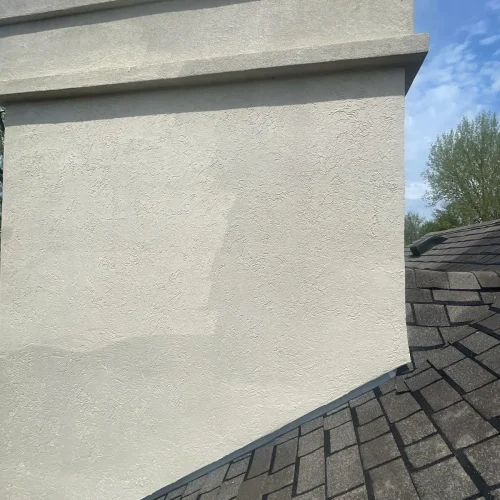
Why Humidity Matters for Exterior Painting
When humidity is too high:
Paint dries more slowly
Moisture can get trapped beneath the surface
Adhesion may be weakened
The finish may appear uneven
These issues don’t just affect appearance—they can significantly shorten the lifespan of the paint job.
Common Exterior Painting Problems Caused by High Humidity
1. Slow Drying and Curing
Paint needs time to dry and cure properly. High humidity slows evaporation, which means paint can remain tacky for hours—or even days—longer than expected.
This increases the risk of:
Dirt and debris sticking to the surface
Smudges or marks
Uneven texture
2. Poor Paint Adhesion
When moisture is present on siding or trim—even if it’s not visible—paint may struggle to bond correctly.
Poor adhesion can lead to:
Peeling
Flaking
Blistering
These problems often appear weeks or months after painting, especially during temperature changes.
3. Bubbling and Blistering
Humidity can cause moisture to become trapped beneath the paint surface. As temperatures rise, that moisture expands and forms bubbles or blisters.
Once this happens, repainting or repairs are usually required to fix the issue.
4. Mold and Mildew Growth
Indiana’s humid conditions create an ideal environment for mold and mildew—especially on shaded or north-facing exterior surfaces.
Painting over mildew without proper treatment can cause:
Staining
Paint failure
Health concerns
Professional preparation is critical to prevent this problem.
Best Conditions for Exterior Painting in Indiana
While Indiana’s weather can be challenging, exterior painting is absolutely possible with proper planning.
Ideal conditions include:
Humidity levels below 85%
Dry surfaces with no overnight rain
Mild temperatures (generally 50–85°F)
Adequate drying time between coats
Professional painters monitor weather patterns closely to ensure optimal conditions before starting a project.
How Professionals Handle Indiana’s Humidity
Experienced painters know how to work around Indiana’s climate by:
Testing moisture levels before painting
Using paints formulated for high-humidity environments
Adjusting application methods and drying times
Scheduling work during optimal weather windows
These steps help ensure strong adhesion, smooth finishes, and long-lasting durability.
Why DIY Exterior Painting Is Riskier in Humid Weather
DIY painters often underestimate how much humidity affects exterior painting. Without professional tools, weather monitoring, or product knowledge, homeowners may unknowingly paint in poor conditions—leading to premature failure.
Mistakes caused by humidity can result in:
Repainting sooner than expected
Additional material costs
Frustration and wasted time
Protect Your Home with the Right Painting Approach
Indiana’s humidity doesn’t have to stand in the way of a beautiful exterior paint job. With proper preparation, timing, and expertise, exterior painting can be done successfully—even in challenging weather conditions.
Hiring professionals who understand Indiana’s climate helps ensure your home stays protected and looking great for years to come.